
As the evenings draw in and the weather turns colder, many of the calls we take at RS Pest Control are about rats or mice turning up indoors. Scratching after dark, droppings in a cupboard, or a package chewed in the kitchen are often what first brings people to the phone.
This article explains why rats and mice often move closer to heated buildings at this time of year, the signs that they have already come inside, what you can do to make a property less inviting, and how we treat rats and mice when you need us. If the problem shows up in the loft, we also cover when loft insulation clearance comes into it — after the pests are finished.
Why Rats And Mice Move Indoors As It Gets Colder
Colder weather and a search for warmth, shelter and food can bring rats and mice closer to heated homes, flats and workplaces. That is what customers often notice as autumn turns to winter — not a rule that every cold snap causes an infestation.
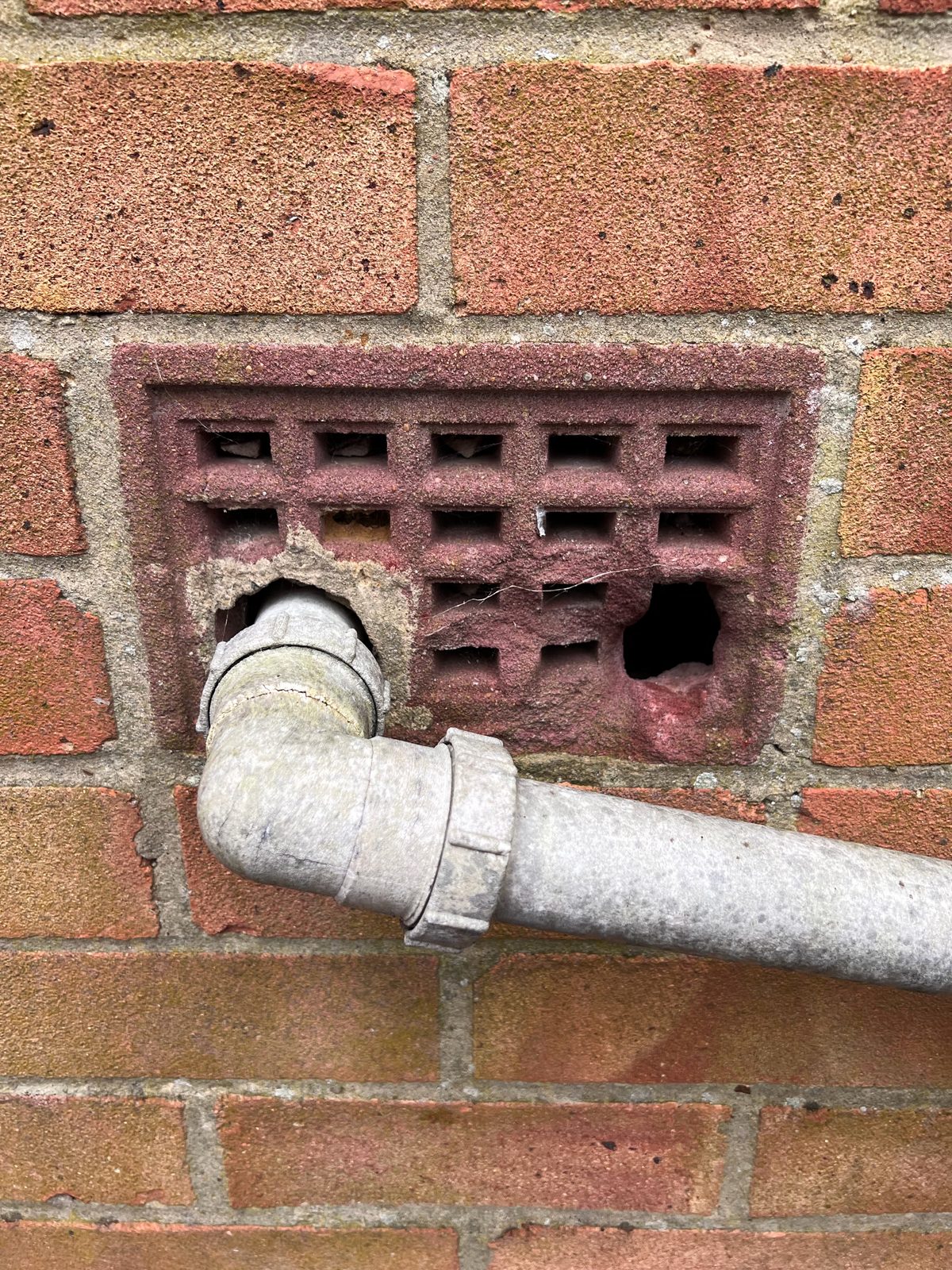
Outside, food is harder to find and cover is thinner. Inside, kitchens, cupboards, wall voids and roof spaces stay warmer and hold crumbs, packaging and nesting spots. Rodents travel along walls, pipes, gardens and roof spaces, and they often squeeze through damaged air bricks or gaps around waste pipes. Assessing those routes matters before anyone chooses a treatment.
We cover homes and businesses across Hampshire and into Surrey, including our pest control in Havant and pest control in Winchester hubs, plus Portsmouth and Southampton. Wherever you are in the area we serve, the winter pattern is the same idea: heated buildings look more attractive when it is cold outside.
How To Tell Rats Or Mice Have Moved In
You do not need a live sighting to know something is wrong. Common signs include:
- Droppings in cupboards or along skirtings
- Gnawed packaging, wires or small holes in food containers
- Scratching or scampering after dark in walls, ceilings or under floors
- Burrows beside fences or garden edges near the building
One sign on its own is a clue, not a full identification. Several together, especially as the weather turns, are worth a proper look. Phone advice is free — describe what you have seen and where, and we will help you work out the next step.
What You Can Do To Reduce The Chance
No property is completely sealed, and we do not promise a pest-free home. Still, a few practical steps make indoor life less attractive to rats and mice:
Keep food in sealed containers and clear crumbs from worktops and floors. Take bin bags out regularly and keep outdoor bins shut. Tidy garden clutter and compost that sits hard against the house. Check for damaged air bricks, loose pipe collars and gaps at the eaves — and fix what you can safely reach.
Where entry points need professional sealing or deterrents, that is a separate service. We advise on proofing and deterrents rather than inventing a materials list here. Proofing works best once any active infestation is under control.
How RS Treats Rats And Mice
If rats or mice are already indoors, DIY traps and open bait often fall short — especially once rodents are established along wall and pipe runs. Our approach stays high level here; the detail lives on the service pages.
We start by listening to what you have noticed, then assess the likely routes into and through the property. A typical rat or mouse job usually takes 3 visits. We’ll tell you where the bait is, so you can make sure children can’t get to it, as we’re only there for the visit. Where possible, tamper-proof bait stations keep pets and children away from the bait.
Aftercare often includes advice on sealing gaps and reducing food and harbourage. For the full process on each pest, see our rat control and mice pest control pages — those explainers are the right place for treatment detail, not this winter overview.
If we need to visit your property to survey the problem, a survey charge may apply. We don’t treat during the survey visit itself.
When The Loft Is Involved
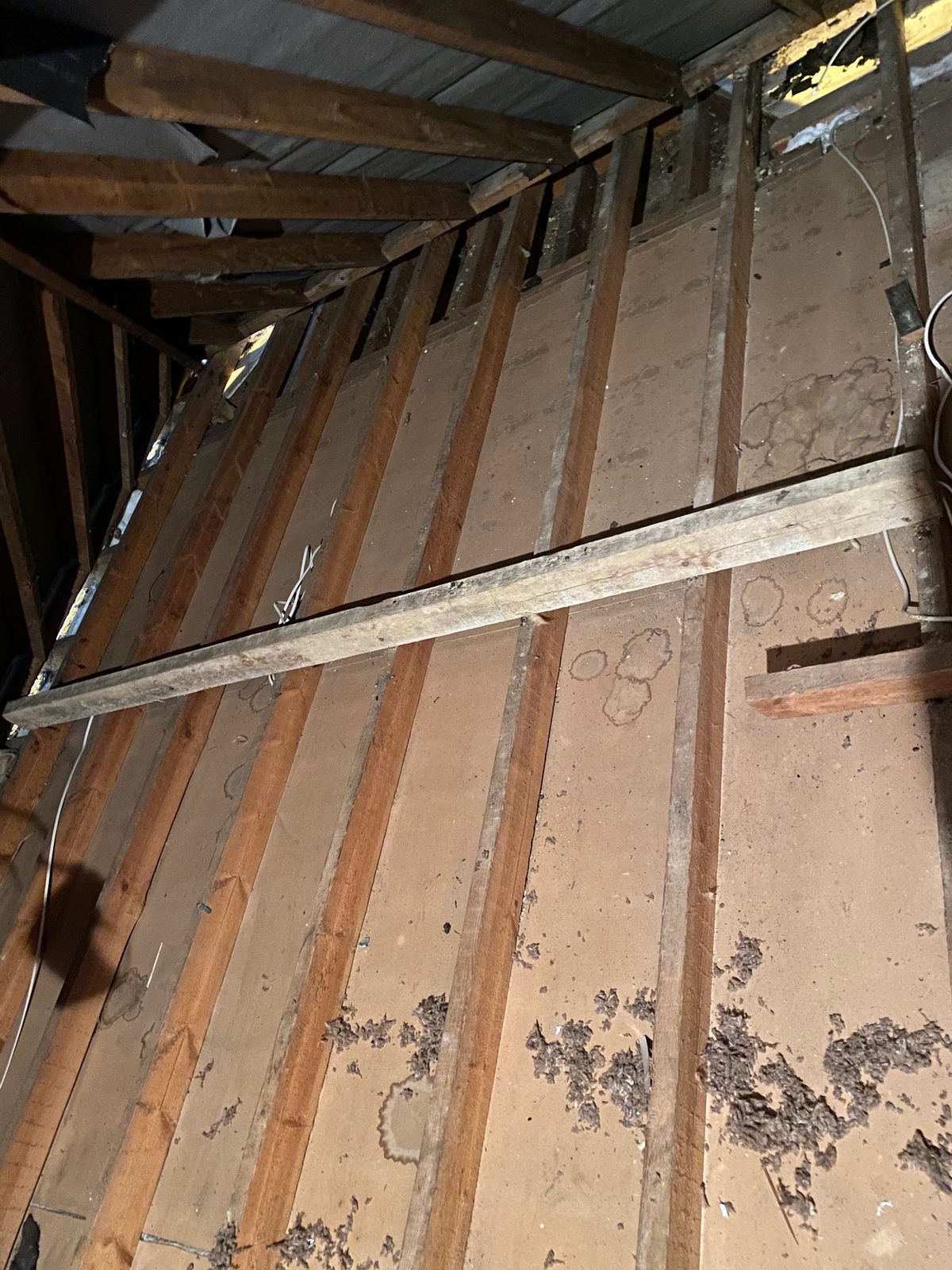
Rats and mice often use roof spaces as well as kitchens and wall voids. If you find droppings, nesting material or torn insulation in the loft, the pests need finishing first — then the fouled insulation can be cleared.
On loft jobs after rats or mice, we clear contaminated insulation, vacuum and clean, and finish with a disinfectant spray. Putting new insulation back is optional, only if you ask for it; our team fits it ourselves. If asbestos or testing comes up on a survey, we talk it through then.
For the loft service itself, see loft insulation removal. That page is the landing URL for clearance after pests; this article only explains when winter indoor rodents and a loft problem often meet.
Why Choose RS Pest Control
We’re NPTA Members (National Pest Technicians Association), and all our technicians hold RSPH Level 2. Phone advice is free. We’re open Monday to Saturday, 8am to 9pm. Call us to arrange a visit at a time that suits you.
We keep the explanation honest: what the job usually involves, where bait will be, and what proofing or loft clearance may mean afterwards.
Get In Touch
If you are seeing signs of rats or mice as the weather turns, contact us or call the number that suits you:
- Southampton: 02382 320 388
- Portsmouth: 02394 190 822
- Farnham: 01252 757 644
You can also email info@rspest.co.uk. Tell us what you have noticed and which rooms or outdoor areas are involved, and we will take it from there.
